


Views: 0 Author: Site Editor Publish Time: 2026-01-11 Origin: Site


When it comes to industrial materials, silicon and ferrosilicon play crucial roles in several sectors, including steel manufacturing, electronics, and metallurgy. While these two materials are often used in similar processes, they have distinct characteristics and applications. Understanding the differences between silicon and ferrosilicon is essential for businesses and industries looking to optimize their production processes.
In this article, we’ll explore the key differences between silicon and ferrosilicon, their uses in various industries, and why Tengzhou Delifu Casting Materials Co., Ltd. stands out as a leading Chinese Ferrosilicon manufacturer and high-quality Ferrosilicon supplier. With a bulk supply of Ferrosilicon and ready on stock products, our company provides customized production tailored to meet the specific needs of our clients, ensuring competitive prices and best brand in China quality.
Silicon (Si) is a chemical element that is widely used in a variety of industrial and technological applications. It is the second most abundant element in the Earth's crust and is a key component in many materials. Silicon is commonly used in the production of semiconductors, solar panels, and electronic devices. It is known for its ability to conduct electricity, making it an essential material in the electronics industry. Silicon is also used in the production of various alloys and is crucial in the manufacturing of concrete and cement.
Properties of Silicon:
Atomic number: 14
Chemical symbol: Si
Melting point: 1,414 °C
Appearance: Dark gray or black metallic luster
Main applications: Electronics, solar panels, semiconductors, construction materials, etc.
Silicon’s versatility is evident in its widespread use in many different industries, but when it comes to metal production, ferrosilicon is often used in conjunction with it due to its enhanced properties.
Ferrosilicon is an alloy composed primarily of iron and silicon. The silicon content typically ranges from 15% to 90%, depending on the specific properties needed for various industrial applications. As a highly versatile material, ferrosilicon plays a vital role in multiple industries, particularly in metallurgy. In the steel and iron industries, ferrosilicon is mainly used as a deoxidizer to improve the quality and properties of steel. It is essential in the production of high-quality steels, especially stainless steel, and is widely used in the manufacturing of various alloys and in the casting industry.
Ferrosilicon is produced by combining iron with silicon at high temperatures. This alloy is valuable due to its ability to enhance the material properties of steel, particularly its strength, resistance to oxidation, and ductility. As an essential component in alloy production, ferrosilicon ensures that steel has the necessary mechanical properties to perform well in demanding applications. It is commonly added to steel during the production process to eliminate oxygen, which could otherwise interfere with the properties of the steel.
Properties of Ferrosilicon:
Chemical Composition: Iron (Fe) and Silicon (Si)
Silicon Content: Typically between 15% and 90%, depending on the specific requirements of the alloy.
Melting Point: Around 1,400 °C, with slight variations depending on the silicon content.
Appearance: Grayish-silver metallic luster
Main Applications: Steel production, deoxidizing agent in metallurgy, casting, and alloy production
Ferrosilicon is particularly known for its role in improving the mechanical properties of materials. For example, in the steel industry, ferrosilicon helps to improve the material's strength, toughness, and resistance to corrosion. It is widely utilized as a Ferrosilicon granule supply for industrial purposes, particularly in the manufacturing of alloys. The versatility of ferrosilicon makes it indispensable in industries that require high-quality metals. Tengzhou Delifu Casting Materials Co., Ltd. is a trusted high-quality Ferrosilicon supplier that ensures bulk supply of Ferrosilicon and competitive prices. The company specializes in offering ready-on-stock products and customized production options to meet the unique needs of its clients.
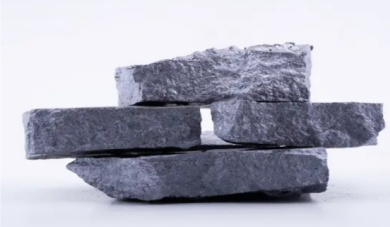
While silicon and ferrosilicon are related by the presence of the element silicon, they differ significantly in terms of composition, applications, and uses in various industries. The primary differences between silicon and ferrosilicon can be categorized in terms of their chemical composition, primary applications, industrial uses, and material forms. Here are the key distinctions:
Chemical Composition:
Silicon is a pure element, represented by the chemical symbol Si. It is typically used in its natural or refined form in various applications.
Ferrosilicon is an alloy consisting of both iron (Fe) and silicon (Si), typically with a silicon content ranging from 15% to 90%. It is mainly used in industrial applications that require a combination of iron and silicon properties.
Primary Applications:
Silicon is most commonly used in the electronics and solar industries, where it is employed in the production of semiconductors for electronic devices, solar cells, and computer chips. It is also a critical material in the development of solar panels and various electrical applications.
Ferrosilicon, on the other hand, is predominantly used in metallurgy, especially in steel production. It acts as a deoxidizing agent in steel production and is used to improve the strength, durability, and overall quality of steel. It is also utilized in casting and alloy production to modify material properties for various industrial uses.
Industrial Uses:
Silicon plays a significant role in the electronics sector, where it is used in devices such as semiconductors, transistors, and solar panels. It is also essential in chemical production and is used in the construction industry for materials like concrete and cement.
Ferrosilicon is primarily used in steel manufacturing, where it serves as an important deoxidizing agent to remove oxygen from molten metal, thereby preventing the formation of unwanted impurities. It is also used in the production of alloys, such as aluminum-silicon alloys, and in casting to improve the mechanical properties of metals.
Material Form:
Siliconis commonly used in its pure form or in refined, high-purity grades. For example, in the electronics industry, silicon is typically used in the form of wafers or integrated circuits. The pure form of silicon is highly valued for its ability to conduct electricity in a controlled manner, which is why it is so critical in the production of semiconductors.
Ferrosilicon, in contrast, is found as an alloy of iron and silicon and can be produced in various forms, such as powder, granules, or lumps, depending on the specific industrial use. The silicon content in ferrosilicon can vary, and the form it takes depends on how it is to be used in manufacturing processes. The granular form of ferrosilicon is commonly employed in industries like steel production, where it is mixed with molten iron to achieve the desired properties in the final product.
Tengzhou Delifu Casting Materials Co., Ltd. is a high-quality Ferrosilicon supplier known for offering a wide range of Ferrosilicon wholesales, customized production, and ready on stock products. As a leading Chinese Ferrosilicon manufacturer, we offer a reliable and competitive service to clients across the globe. With a focus on providing high-quality ferrosilicon for industries such as steel production and casting, our products are designed to meet the needs of our clients and help them achieve the best possible results.
We understand the importance of high-quality materials in the production process, which is why we ensure that our products meet international standards and deliver optimal performance. By providing bulk supply of Ferrosilicon and offering customized solutions, we are able to support businesses in meeting their production demands effectively.
In conclusion, understanding the key differences between silicon and ferrosilicon is essential for industries relying on these materials for various applications. Silicon plays a pivotal role in electronics and renewable energy, while ferrosilicon is a crucial material in metallurgy, particularly in steel and casting industries. Tengzhou Delifu Casting Materials Co., Ltd. stands out as a leading Chinese Ferrosilicon manufacturer, offering high-quality products with customized production to meet the needs of clients across various industries. For more information on Ferrosilicon granule supply, Ferrosilicon wholesales, and bulk supply of Ferrosilicon, feel free to reach out to us and explore how we can support your business.
1. What is the difference between silicon and ferrosilicon?
Silicon is a pure element widely used in the electronics and solar industries, whereas ferrosilicon is an alloy made from silicon and iron, primarily used in metallurgy and steel production.
2. How is ferrosilicon used in steel production?
Ferrosilicon is used as a deoxidizing agent in the production of steel, improving the quality and strength of the final product. It also enhances the mechanical properties of steel and is essential in the production of high-quality stainless steel.
3. What are the benefits of using ferrosilicon in casting?
Ferrosilicon is used in casting to improve the quality of the material, providing better stability and enhancing the mechanical properties of the casted product. It is a key ingredient in producing high-performance alloys and metals.
4. Why should I choose Tengzhou Delifu Casting Materials Co., Ltd. for my ferrosilicon needs?
Tengzhou Delifu Casting Materials Co., Ltd. is a trusted and high-quality Ferrosilicon supplier offering competitive prices and ready on stock products. We offer bulk supply of Ferrosilicon, customized production, and high-quality products to meet your industrial needs efficiently.

